


 English
 Español
 Portugues
 Pусский
 Français
 Deutsch
 한국어
 Italiano
 Tiếng Việt


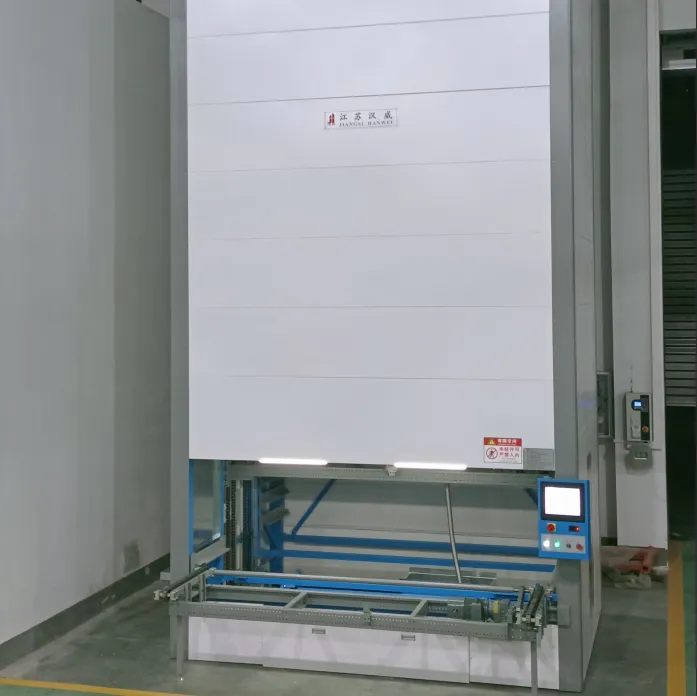
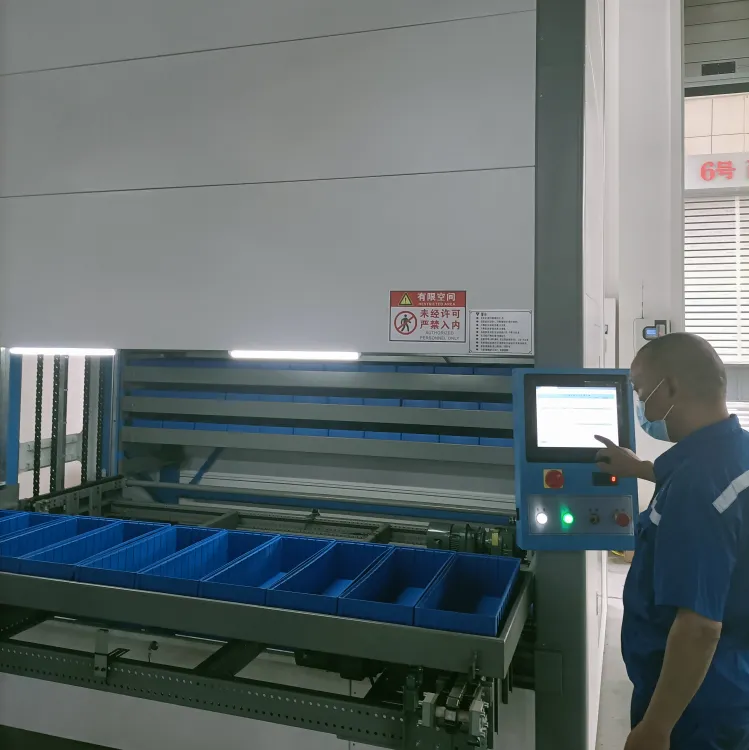
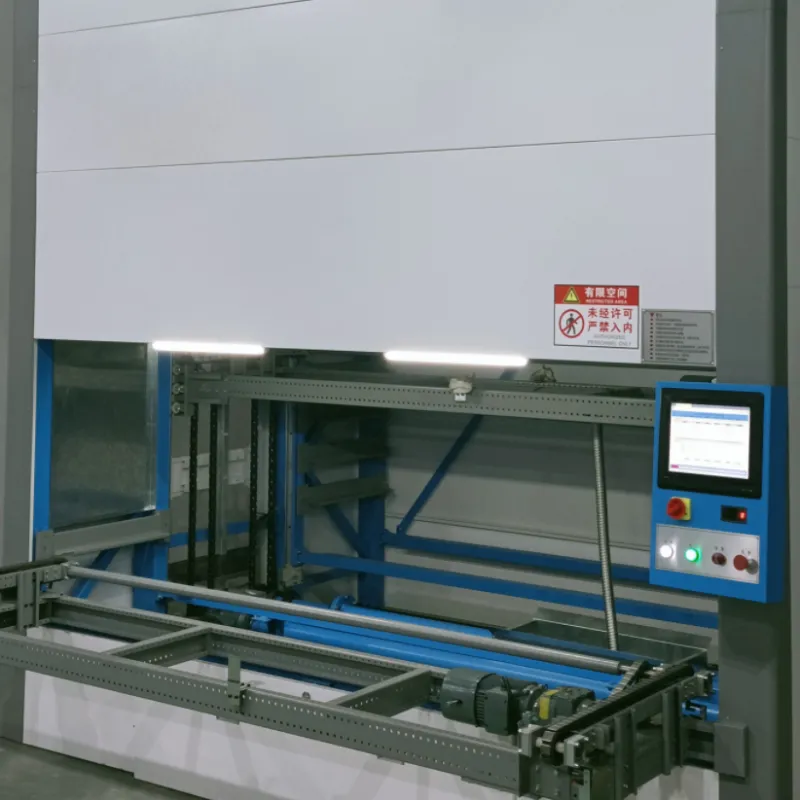
The key to selecting a Three Dimensional Vertical Lift that is suitable for the working conditions is to accurately match the three core parameters of load, power, and explosion-proof level to ensure safe, efficient, and stable operation of the equipment.

1、 Load capacity: Select according to actual load and reserve safety margin
Load capacity is the primary basis for equipment selection, which requires a comprehensive consideration of static, dynamic, and unbalanced load factors.
Calculate the total load
Total load=equipment weight+workpiece/personnel weight+dynamic inertia force (during startup/braking)
It is recommended to select based on a safety factor of 1.5 times, which is particularly important in industrial scenarios.
Common load range
Light duty operations (tools, small workpieces):<200kg (such as 3D lifting platform)
Medium sized homework (single person+equipment): 200-500kg
Heavy duty operations (large workpieces, multi person collaboration):>500kg, requiring customized reinforced structures
Precautions
The goods should be evenly placed in the center of the table to avoid structural instability or rail wear caused by unbalanced loading.
2、 Power: matching operating speed and load, balancing energy efficiency and stability
Power directly affects the lifting speed, response capability, and energy consumption performance of equipment.
Typical power demand
Small 3D lifting platform (<200kg):<3kW (e.g. electric drive model)
Medium to large equipment (300-500kg): 3-7.5kW, requiring efficient motors and reduction systems
The Three Dimensional Vertical Lift driving method affects power configuration
Electric drive: high efficiency, precise control, suitable for frequent start stop automation scenarios
Hydraulic drive: Strong force, suitable for heavy-duty but not high speed requirements
Energy saving suggestions
Choose a variable frequency control motor, automatically adjust the output power according to the load, and reduce no-load energy consumption.
3、 Explosion proof rating: Hard safety requirements in high-risk environments
Explosion proof design is a prerequisite for compliance and safety in flammable and explosive environments such as chemical, pharmaceutical, and dust.
Explosion proof standard requirements
Domestically, it is required to comply with the GB3836.1/2 standard, with a common grade of Ex d IIB T4
Explosion proof models require the use of fully sealed hydraulic systems, spark free electrical components, and electrostatic discharge devices
Key configurations
Explosion proof motor and control box (intrinsic safety type)
Cables and electrical components meet the protection level of IP54 or above
It is prohibited to install explosion-proof function in the later stage, and the original design of the whole machine is required
Applicable scenarios
Petrochemical, pharmaceutical workshops, dust environments (such as flour mills, wood processing), etc.
Phone: 86511-88898762
Fax: 86511-88697762
Mobile: +8613952813528 Manager Cai
Email: caiswt58@163.com
Address: 491 Changxiangdong Avenue, Dantu New District Industrial Park, Zhenjiang City, Jiangsu Province

Copyright © 2022Platform Information Technology Co., Ltd
サイトマップこの Web サイトでは、お客様に最高のエクスペリエンスを提供するために Cookie を使用しています。



 電話
コメント
(0)